
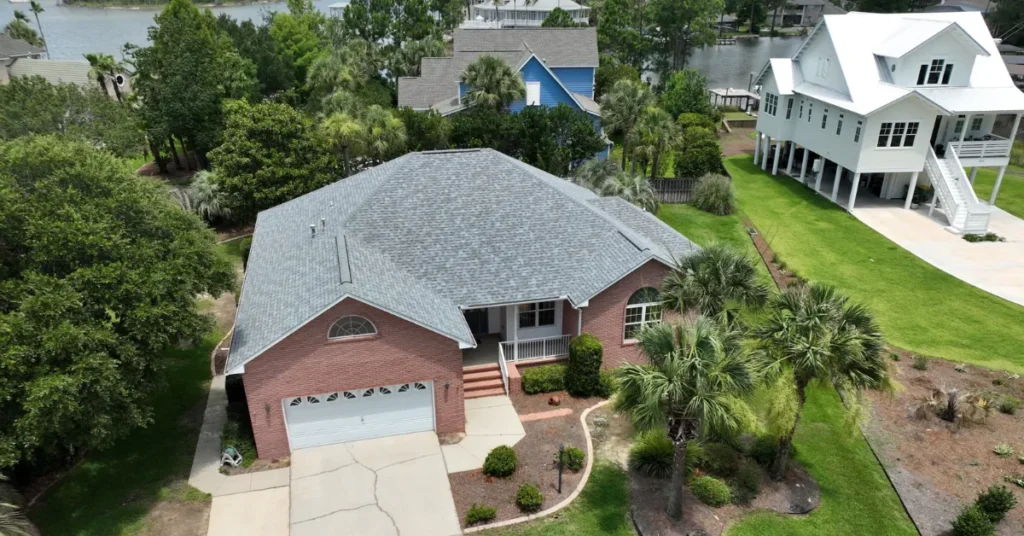
A roof is more than a cover over your head. It defines how your home looks, affects how energy-efficient it is, and protects everything beneath it. Choosing the right roof can make your house stand out while keeping it safe through every season.
Let’s explore the most popular roof styles and materials so you can choose the one that suits your home, your climate, and your taste.
Understanding Roof Styles
Roof styles shape both function and appearance. Each design has its own charm and works best in certain settings.
1. Gable Roof
A gable roof is the simplest and most familiar style. It has two sloping sides that meet in the middle, forming a peak. This shape allows rain and snow to slide off easily, making it ideal for regions with wet or snowy weather. Builders appreciate how easy it is to construct, and homeowners love the extra attic space it provides. The only concern is that in areas with strong winds, the edges can lift if the structure isn’t reinforced well.
2. Hip Roof
A hip roof slopes downward on all four sides, meeting at a ridge. It gives homes a symmetrical and balanced look. Because all sides slope, this design holds up well in high winds. It also provides stability and durability, especially in coastal regions. However, since it uses more materials and has a more complex frame, it tends to cost more to build.
3. Flat Roof
A flat roof isn’t completely flat; it has a slight angle to allow for drainage. It’s a favorite in modern home designs and commercial buildings. Many homeowners turn flat roofs into outdoor spaces, adding seating areas, small gardens, or even solar panels. The clean lines of a flat roof fit well with contemporary architecture. The only thing to watch is drainage—if the roof isn’t maintained well, water can pool and cause leaks.
4. Barn Roof Styles (Gambrel Roof)
Barn roof styles, also called gambrel roofs, are easy to recognize by their double slopes on each side. The lower slope is steep, while the upper one is gentle. This shape creates more space underneath, often used as storage or an attic room. It’s a popular pick for country homes, barns, and farmhouses because of its old-world charm and practicality. Still, in regions with heavy snow, the roof needs solid framing to bear the weight.
5. Mansard Roof
A mansard roof, inspired by French architecture, has four sides, each with two slopes. The lower slope is much steeper than the upper one, allowing for extra living space inside. Many homeowners use that space as an extra room or loft. It’s elegant and gives a home a classic European touch. Because it involves more detail in construction, it can cost more and take longer to install.
6. Skillion Roof
A skillion roof, sometimes called a shed roof, has a single sloping surface. It’s simple, affordable, and often used in modern extensions or minimalist homes. The design allows rainwater to drain easily and provides an edgy, asymmetrical look. It can catch strong winds if it’s too steep, so builders usually adjust the angle based on local weather.
7. Butterfly Roof
The butterfly roof looks like two wings meeting in the middle. It creates a dramatic, modern shape that allows for large windows and plenty of natural light. The inward slopes make it easy to collect rainwater, making it popular for eco-friendly homes. The structure needs precise design to handle drainage properly, but it’s one of the most eye-catching roof styles today.
Roofing Materials and Their Qualities
Once you decide on a roof shape, the next step is choosing what it’s made of. The material affects everything from how long your roof lasts to how it looks and feels.
1. Asphalt Shingles
Asphalt shingles roof are the most common roofing material in many neighborhoods. They’re affordable, easy to install, and available in many colors and textures. They usually last around 20 to 30 years. They handle most weather conditions well and blend with many roof styles, from gable to hip. While they don’t last as long as some other materials, their balance of cost and reliability makes them a favorite among homeowners.
2. Metal Roof Styles
Metal roofs are durable, sleek, and energy-efficient. They reflect sunlight, helping your home stay cooler in the summer. With proper care, they can last anywhere from 40 to 70 years. Modern metal roof styles include standing seam panels for a clean, modern look, corrugated sheets that give a rustic feel, and metal shingles that mimic slate or tile.
They suit both contemporary homes and barn-style structures. Though the upfront cost is higher than asphalt, the lifespan and minimal maintenance often make up for it. When installed correctly with insulation, they’re quiet and highly weather-resistant.
3. Clay and Concrete Tiles
Clay and concrete tiles bring warmth and old-world charm. They’re common in Mediterranean and Spanish-style homes. These tiles resist heat, fire, and harsh sunlight, making them ideal for hot climates. They can last over 50 years when properly installed. Their weight does mean the roof structure needs to be strong enough to support them.
4. Slate
Slate is one of the most durable and beautiful roofing materials. Each tile has a natural stone texture that gives roofs a refined, timeless look. A slate roof can easily last more than a hundred years. It needs a strong frame due to its weight and costs more than most materials, but its longevity and visual appeal often justify the investment.
5. Wood Shakes and Shingles
Wood roofs bring a warm, natural charm that few materials can match. Cedar and redwood are popular because they resist decay better than other woods. They also offer great insulation, keeping homes cool in summer and warm in winter. They need regular care to prevent moss and insect damage, but many homeowners love the cozy, organic look they create.
6. Synthetic Roofing
Synthetic materials imitate natural options like slate or wood but come at a lower cost and lighter weight. They’re made from recycled rubber or plastic, making them a sustainable choice. They last long and need very little maintenance, which appeals to homeowners who want the look of traditional materials without the upkeep.
Choosing the Right Roof for Your Home
Your decision should balance appearance, function, and practicality.
Climate
Pick a roof that fits your weather. Metal and asphalt handle snow and rain well, while clay and concrete keep heat out in warmer regions.
Budget
Your budget shapes your choices. Asphalt shingles are affordable, while metal and slate have higher upfront costs but last much longer.
House Design
Match your roof to your home’s style. A barn roof style looks perfect on rustic houses, while a flat or skillion roof fits minimalist designs.
Maintenance Level
If you prefer low upkeep, go for metal, clay, or synthetic materials. Wood and asphalt need more regular care.
Energy Efficiency
Reflective surfaces like metal or light-colored tiles reduce indoor heat. For colder regions, dark shingles absorb warmth better.
Why the Right Roof Matters
A roof influences everything from comfort to resale value. When you pick the right style and material, you gain several advantages:
- The roof lasts longer and needs fewer repairs.
- It complements your home’s design and boosts curb appeal.
- It keeps your living space comfortable by improving insulation.
- It can increase the property’s value if you decide to sell.
- Some styles, like barn roofs or butterfly roofs, allow for creative attic or solar panel use.
Mistakes to Avoid
Many homeowners rush their roofing decisions. These are some pitfalls to steer clear of:
- Choosing a roof that doesn’t match the local climate.
- Skipping professional installation to cut costs.
- Picking materials only for their appearance.
- Ignoring ventilation and insulation.
- Overlooking maintenance needs.
A roof that looks good but doesn’t perform well will end up costing more in repairs.
FAQs
What is the best roof style for heavy rain?
A gable or metal roof works best in rainy regions. Both designs have enough slope to let water drain easily and prevent pooling.
Are metal roofs loud when it rains?
Metal roofs can be noisy if installed without proper insulation. With good underlayment and padding, they sound no louder than any other roof.
Which roof material is most energy-efficient?
Metal roofs and reflective shingles are highly energy-efficient. They reflect sunlight and reduce cooling costs, which helps in warm climates.
How long does a roof last?
It depends on the material. Asphalt lasts about 25 years, metal around 50, and slate more than 100. Regular maintenance can extend any roof’s life.
Can different roof styles be combined on one home?
Yes. Many houses mix roof styles for visual variety or functional reasons. For example, a gable roof may cover the main structure while a flat section tops a porch or addition.
Conclusion
A roof is a long-term investment that defines your home’s look, comfort, and durability. From the practical appeal of asphalt shingles to the lasting power of metal roof styles and the charm of barn roof styles, each option tells a story about your home.
When you take time to understand roof styles and materials, you make a choice that fits your space, your climate, and your life. A strong, well-designed roof doesn’t only shield your home, it also becomes part of its character for years to come.