
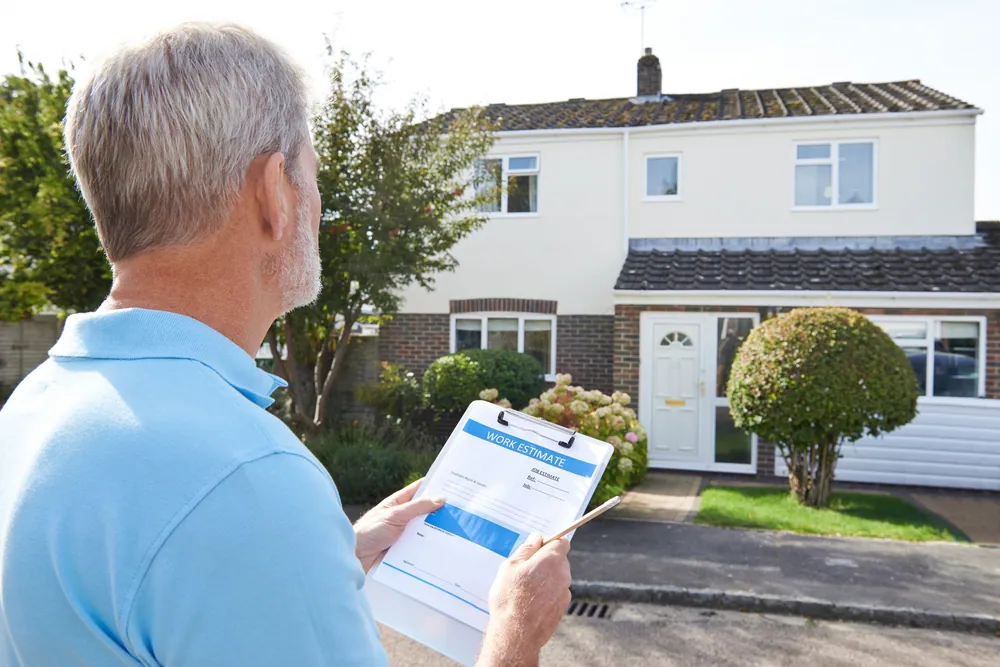
If you’re planning a roof repair or replacement, the first step is usually getting a roofing estimate. But many homeowners don’t fully understand what a roofing estimate includes or why prices can vary so much between contractors.
A roofing estimate is more than just a number. It’s a breakdown of materials, labor, inspections, and project-specific factors that determine the total cost of your roof. Understanding these details helps you compare estimates accurately, avoid hidden costs, and make confident decisions.
This guide explains what goes into a roofing estimate, what affects pricing, and what homeowners should look for before signing a contract.
What Is a Roofing Estimate?
A roofing estimate is a professional assessment of the cost required to repair or replace your roof. It’s based on the size of your roof, materials selected, labor requirements, and the condition of your existing structure.
Estimates can be:
- Preliminary (ballpark pricing)
- Detailed written estimates (itemized and accurate)
- Free or paid, depending on the contractor
A quality roofing estimate should be clear, transparent, and easy to understand.
Key Factors Included in a Roofing Estimate
1. Roof Size and Measurements
Roof size is measured in squares, with one square equaling 100 square feet. Larger roofs require more materials and labor, which increases the cost.
Contractors measure:
- Total roof surface area
- Pitch and slope
- Number of roof sections and angles
Complex roof designs usually cost more than simple, flat layouts.
2. Roofing Materials
Material choice has a major impact on your estimate. Common options include:
- Asphalt shingles (three-tab or architectural)
- Metal roofing
- Tile or slate roofing
- Synthetic or composite materials
Each material varies in:
- Cost per square
- Lifespan
- Installation difficulty
- Warranty coverage
Your estimate should clearly state the type, brand, and grade of materials being used.
3. Labor Costs
Labor typically makes up a large portion of a roofing estimate. Factors affecting labor costs include:
- Roof pitch and accessibility
- Tear-off vs. overlay installation
- Height of the home
- Safety requirements
Steep or multi-story roofs require more time and specialized equipment, which increases labor costs.
4. Removal of Old Roofing
If your existing roof needs to be removed, the estimate should include:
- Tear-off labor
- Disposal fees
- Dumpster rental
In some cases, local building codes require full removal, which can add to the total cost.
5. Roof Deck Inspection and Repairs
Once old materials are removed, contractors inspect the roof deck. If they find:
- Rot
- Water damage
- Structural issues
These repairs may be included as an allowance or listed as potential additional costs. A good estimate explains how unexpected repairs are handled.
6. Underlayment and Protection Systems
Roofing estimates often include protective layers such as:
- Synthetic or felt underlayment
- Ice and water shield
- Drip edge installation
These components protect your home from moisture and improve roof performance and lifespan.
7. Flashing, Vents, and Penetrations
Flashing around chimneys, skylights, and vents prevents leaks. Your estimate should specify:
- Replacement or reuse of flashing
- Vent pipe boot installation
- Ridge vent or attic ventilation upgrades
Ignoring these details can lead to future roof problems.
8. Permits and Code Compliance
Most roofing projects require permits. A professional estimate includes:
- Permit fees
- Compliance with local building codes
- Inspection coordination
If permits are not mentioned, ask before moving forward.
9. Cleanup and Final Inspection
Quality contractors include cleanup in their estimate, such as:
- Debris removal
- Magnetic nail sweep
- Final walkthrough or inspection
This ensures your property is left clean and safe after installation.
Why Roofing Estimates Vary Between Contractors
If you receive multiple estimates, price differences are normal. Variations often come from:
- Material quality differences
- Labor experience and crew size
- Warranty coverage
- Scope of included services
The lowest estimate is not always the best value. Focus on transparency and completeness.
What Homeowners Should Look for in a Roofing Estimate
A reliable roofing estimate should include:
- Detailed material descriptions
- Clear labor scope
- Timeline for completion
- Warranty information
- Payment terms
Avoid estimates that are vague, rushed, or missing written documentation.
FAQ’s
How accurate is a roofing estimate?
A detailed, written estimate is usually very accurate. However, hidden damage discovered during tear-off may cause minor adjustments, which should be explained upfront.
Are free roofing estimates reliable?
Yes, as long as they are thorough and provided by licensed professionals. Free does not mean low quality.
How long is a roofing estimate valid?
Most estimates are valid for 15–30 days. Material price changes can affect longer timelines.
Should I get multiple roofing estimates?
Yes. Getting at least three estimates helps you compare pricing, materials, and contractor professionalism.
What’s the difference between a roofing estimate and a roofing quote?
An estimate is an informed projection, while a quote is usually a fixed price agreement once all details are confirmed.
Final Thoughts
Understanding what goes into a roofing estimate empowers homeowners to make smart, confident decisions. A clear estimate protects you from surprises, ensures fair pricing, and sets expectations for your roofing project.
Before choosing a contractor, take time to review the estimate carefully, ask questions, and prioritize transparency over the lowest price. A well-prepared roofing estimate is the foundation of a successful roofing project.