
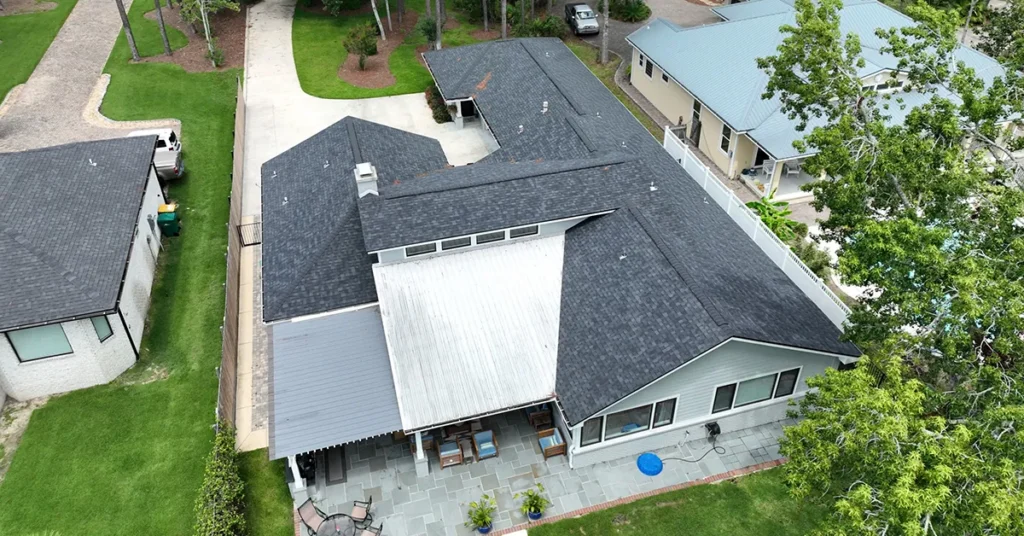
Your roof is one of the most critical components of any home or commercial building. It protects everything underneath it from rain, wind, heat, and cold. But with so many types of roofing materials available on the market today, choosing the right one can feel overwhelming.
The right choice depends on your climate, budget, building structure, and long-term goals. This guide breaks down the most common types of roofing materials, their pros and cons, and how they compare in cost so you can make a confident, informed decision.
WHY CHOOSING THE RIGHT ROOFING MATERIAL MATTERS
Not all roofing materials are created equal. The material you choose will directly affect the lifespan of your roof, your energy bills, maintenance costs, and how well your property handles weather. A poor choice can lead to frequent repairs, water damage, and expensive replacements far sooner than expected. Understanding what each material offers allows you to match performance with your specific needs.
DURABILITY AND LIFESPAN
Some materials last 20 years, while others can last over a century. Knowing the expected lifespan helps you calculate the true long-term cost of your investment.
WEATHER RESISTANCE
Certain materials perform better in humid climates, others in areas prone to high winds, hail, or extreme heat. Choosing the right material for your region is essential.
ENERGY EFFICIENCY
Reflective and insulating roofing materials can significantly reduce heating and cooling costs, making them a smart investment for energy-conscious property owners.
CURB APPEAL AND PROPERTY VALUE
The roof is one of the first things people notice. The right material enhances the appearance of your property and can boost resale value.
THE MOST COMMON TYPES OF ROOFING MATERIALS
Here is a detailed breakdown of the most widely used roofing materials, including their strengths, weaknesses, and general cost considerations.
ASPHALT SHINGLES
Asphalt shingles are the most popular roofing material in North America. They are affordable, easy to install, and available in a wide range of colors and styles.
Pros:
- Low upfront cost and widely available
- Straightforward installation process
- Decent lifespan of 20 to 30 years
Cons:
- Less durable than premium materials
- Can crack in extreme cold
- Not the most eco-friendly option.
Cost Consideration:
One of the most budget-friendly roofing options available, making it accessible for a wide range of homeowners.
METAL ROOFING
Among the different types of metal roofing materials, options include steel, aluminum, copper, and zinc. Metal roofing has surged in popularity for both residential and commercial applications thanks to its impressive durability and low maintenance requirements.
Pros:
- Lifespan of 40 to 70 years
- Highly resistant to wind, fire, and impact
- Energy-efficient and fully recyclable.
Cons:
- Higher upfront cost than asphalt
- It can be noisy during rain without proper insulation
- May dent from heavy hail depending on the gauge.
Cost Consideration:
A mid-to-high range investment upfront, though the long lifespan makes it highly cost-effective over time.
CLAY AND CONCRETE TILE
Clay and concrete tiles are a staple in Mediterranean, Spanish, and Southwestern-style architecture. They offer a distinctive aesthetic and outstanding longevity.
Pros:
- Can last 50 years or more
- Excellent thermal performance and fire-resistant
- Low maintenance once installed.
Cons:
- Heavy material that requires structural reinforcement
- Higher installation cost
- Tiles can crack under direct foot traffic
Cost Consideration:
A premium-priced option, though the exceptional durability and low maintenance needs offset the higher upfront investment.
WOOD SHAKE AND WOOD SHINGLES
Wood shake and shingles offer a natural, rustic appearance that blends well with traditional and craftsman-style homes. Cedar is the most common wood used for roofing.
Pros:
- Natural insulating properties
- Attractive, timeless aesthetic
- Biodegradable and eco-friendly
Cons:
- Requires regular maintenance to prevent mold and rot
- May not be suitable in fire-prone regions
- Shorter lifespan of 20 to 25 years without proper care
Cost Consideration:
Falls in the mid-range category, though ongoing maintenance costs should be factored into the overall budget.
SLATE ROOFING
Slate is a natural stone material and one of the most premium roofing options available. It is prized for its beauty and extraordinary lifespan.
Pros:
- Can last 100 years or more
- Completely natural and fireproof
- Highly resistant to mold and mildew
Cons:
- Very heavy and requires significant structural support
- Expensive to install
- Fragile under direct foot traffic
Cost Consideration:
One of the most expensive roofing options available, but its century-long lifespan makes it a worthwhile investment for the right property.
FLAT ROOFING SYSTEMS (TPO, EPDM, MODIFIED BITUMEN)
Flat roofing systems are most commonly found on commercial buildings and modern residential designs. TPO and EPDM membranes are the dominant options in this category.
Pros:
- Cost-effective for large surface areas
- Easy to maintain and repair
- TPO offers strong UV resistance
Cons:
- Shorter lifespan of 15 to 25 years
- Requires proper drainage design to avoid water pooling
Cost Consideration:
Generally, one of the more affordable systems for large commercial surface areas, with straightforward repair costs when needed.
A CLOSER LOOK AT TYPES OF METAL ROOFING MATERIALS
Metal roofing deserves its own category breakdown. Because it covers such a wide range of products, understanding the differences between metal options helps narrow down the best choice for your project.
STEEL (GALVANIZED AND GALVALUME)
Steel is the most widely used metal roofing material. Galvanized steel is coated with zinc for corrosion resistance, while Galvalume steel uses an aluminum-zinc alloy for even greater protection. Both are excellent choices for residential and commercial roofs.
ALUMINUM
Aluminum is lightweight and highly resistant to corrosion, making it an ideal choice for coastal properties exposed to saltwater air. It is slightly more expensive than steel but lasts exceptionally well in humid environments.
COPPER
Copper is a premium metal roofing option known for developing a distinctive green patina over time. It is extremely long-lasting, often surviving 100 years or more, but comes at a significant cost premium.
STANDING SEAM VS. METAL SHINGLES
Standing seam panels interlock with concealed fasteners for a sleek, modern appearance and superior weather resistance. Metal shingles Roof mimic the look of asphalt, wood, or slate and offer a more traditional aesthetic while still delivering the full performance benefits of metal.
HOW TO CHOOSE THE RIGHT ROOFING MATERIAL FOR YOUR PROPERTY
There is no single best roofing material for every situation. The right choice depends on several factors specific to your property and goals.
CLIMATE
Metal and slate hold up well in extreme cold and high wind. Clay tile excels in hot, dry climates. Flat roofing requires careful drainage planning in rainy regions.
BUDGET
Asphalt shingles remain the most budget-friendly upfront option. Metal and slate cost more initially but deliver much lower lifetime costs.
ROOF PITCH
Steep-slope roofs work well with most materials. Flat or low-slope designs require membrane systems such as TPO or EPDM.
BUILDING STRUCTURE
Heavier materials like slate and clay tile require reinforced structural support. Always confirm load capacity before choosing.
LONG-TERM PLANS
If you plan to stay in the property for decades, investing in a longer-lasting material like metal or slate makes strong financial sense.
MAINTENANCE TIPS BY ROOFING MATERIAL TYPE
Regardless of the material you choose, regular maintenance extends the life of your roof and prevents costly repairs.
- Inspect your roof at least twice a year, especially after major storms
- Keep gutters clear to prevent water backup and pooling
- Trim overhanging branches that can scrape or damage roofing materials
- Address minor damage quickly before it becomes a larger structural problem
- For wood shake roofs, treat periodically with preservatives to resist moisture and mold
- For metal roofs, check for loose fasteners and touch up any areas where the coating has been scratched
- Have a licensed roofing contractor perform a professional inspection every few years
FAQ’s
What are the most common types of roofing materials?
The most common types of roofing materials include asphalt shingles, metal roofing, clay and concrete tile, wood shake, slate, and flat roofing systems such as TPO and EPDM. Each serves different needs based on climate, budget, and building design.
Which roofing material lasts the longest?
Slate and copper roofing are among the longest-lasting options, often exceeding 100 years with proper care. Metal roofing generally lasts 40 to 70 years, while asphalt shingles typically last 20 to 30 years.
What are the different types of metal roofing materials available?
The main types of metal roofing materials include galvanized steel, Galvalume steel, aluminum, copper, and zinc. Each offers different benefits in terms of cost, weight, corrosion resistance, and appearance. Standing seam panels and metal shingles are the two most popular profile styles.
What is the most cost-effective roofing material?
Asphalt shingles offer the lowest upfront installation cost. However, when factoring in lifespan and maintenance, metal roofing often delivers better long-term value. The most cost-effective choice depends on how long you plan to own the property.
Is metal roofing good for all climates?
Yes. Metal roofing performs well in a wide range of climates. It handles heavy snow loads, high winds, and intense heat effectively. Aluminum is particularly well-suited for coastal environments where salt air accelerates corrosion in other materials.
FINAL THOUGHTS
Understanding the different types of roofing materials available puts you in a much stronger position when it comes time to replace or install a roof. From the budget-friendly reliability of asphalt shingles to the century-long durability of slate, every material has a place depending on the project.
The various types of metal roofing materials, in particular, offer an outstanding balance of longevity, energy efficiency, and low maintenance that makes them an increasingly popular choice for both homes and commercial properties.
No matter which material fits your needs, working with an experienced and reputable roofing contractor ensures the installation is done correctly the first time. A well-installed roof is not just a purchase, it is a long-term investment in the safety, comfort, and value of your property.