
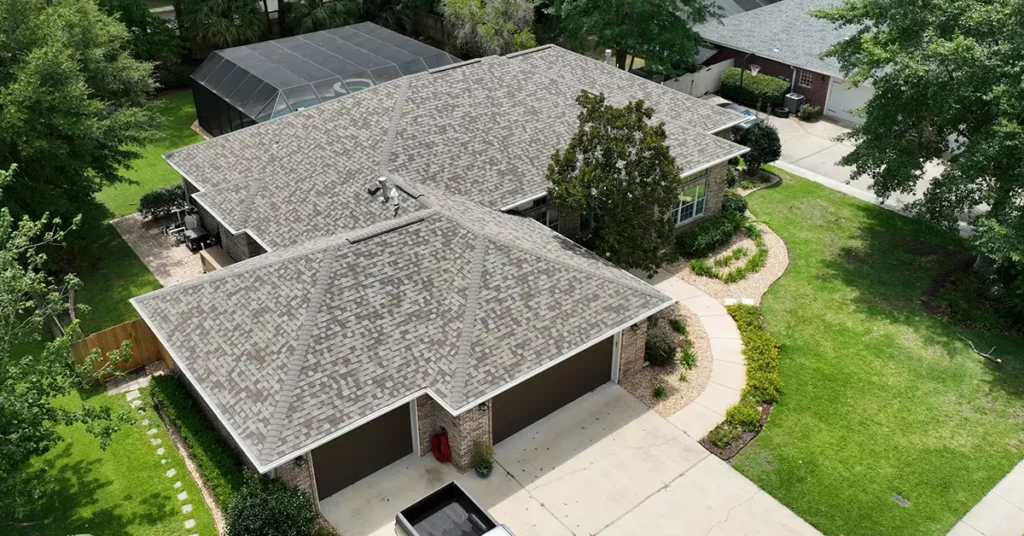
Most people think a roof is all about shingles or metal panels. That’s the part you see from the street. But what really protects your home sits underneath. Quiet. Hidden. Easy to ignore.
That layer is called roofing underlayment, and it plays a much bigger role than most homeowners realize.
If you’re planning a roof replacement, building a home, or even getting quotes, understanding underlayment helps you make better decisions and avoid costly mistakes later.
What Roofing Underlayment Actually Is
Roofing underlayment is a protective layer installed directly on top of the roof deck before the final roofing material goes on. Think of it as a safety net for your roof.
Your roof deck is usually made of plywood or OSB boards attached to rafters or trusses. On its own, that wood can’t handle moisture for long. Water finds a way in through wind-driven rain, melting ice, or small gaps around fasteners.
That’s where underlayment comes in.
Roofing underlayment acts as a barrier between the roof deck and the outer roofing material. If water slips past shingles or metal panels, the underlayment helps stop it before it reaches the wood structure below.
Why Roofing Underlayment Matters More Than You Think
Shingles and metal roofing are designed to shed water, not seal everything completely. Wind, storms, and temperature changes create opportunities for moisture to sneak in.
Roofing underlayment matters because it:
- Adds a second line of defense against water
- Protects the roof deck during installation
- Helps manage condensation and minor leaks
- Reduces the risk of rot, mold, and deck damage
Without proper underlayment, even a brand-new roof can fail sooner than expected.
How Roofing Underlayment Works with Your Roof System
A roof works as a system, not a single layer.
- The roof deck provides structure.
- The underlayment provides protection.
- The shingles or panels provide weather resistance and appearance.
When these layers work together, the roof performs well. When one layer is skipped or downgraded, problems start quietly and show up later as leaks, stains, or sagging.
Roofing underlayment bridges the gap between structure and surface.
Common Types of Roofing Underlayment
Not all underlayment is the same. The type used depends on climate, roof material, and budget.
Felt Roofing Underlayment
Felt underlayment has been around for decades. Many people still call it tar paper.
It’s made from paper or fiberglass soaked in asphalt. It provides basic water resistance and is still used in some projects today.
Felt comes in different thickness levels. Thicker versions hold up better during installation, but felt can tear easily and wrinkle if it gets wet before the roof is finished.
Because of that, many contractors now use felt only in limited situations or as a budget option.
Synthetic Roofing Underlayment
Synthetic roofing underlayment has become the go-to choice for many modern roofs.
It’s made from woven or layered polymers designed to be stronger, lighter, and more reliable than traditional felt.
Homeowners and contractors like synthetic underlayment because it:
- Resists tearing during installation
- Stays flat instead of wrinkling
- Handles exposure better if roofing is delayed
- Covers more area per roll, reducing seams
Synthetic roofing underlayment also provides better footing for installers, which improves safety on the roof.
Self-Adhered Underlayment (Peel-and-Stick)
Self-adhered underlayment sticks directly to the roof deck. It creates a tight seal that helps block water even if fasteners penetrate the surface.
This type is often used in high-risk areas such as:
- Roof edges
- Valleys
- Around chimneys and vents
- Low-slope sections
It’s especially useful in colder climates where ice dams form, but it’s also valuable anywhere water tends to linger.
Metal Roofing Underlayment
Metal roofs behave differently than shingle roofs, which means metal roofing underlayment needs extra attention.
Metal panels expand and contract with temperature changes. They can also trap condensation underneath if the system isn’t designed properly.
Metal roofing underlayment helps by:
- Separating metal panels from the roof deck
- Reducing condensation buildup
- Preventing moisture from reaching the wood below
- Dampening noise from rain and expansion
Synthetic underlayment is often preferred under metal roofs because it handles temperature swings better and doesn’t degrade as easily.
Some metal roofing systems also use specialized underlayments designed specifically for metal applications.
Does Every Roof Need Roofing Underlayment?
Yes. Every properly built roof includes underlayment.
Building codes require it. Roofing manufacturers require it for warranties. Contractors rely on it to protect the roof during installation.
Skipping underlayment or using the wrong type can lead to:
- Failed inspections
- Voided warranties
- Higher repair costs
- Shortened roof lifespan
Even the best shingles or metal panels can’t do their job alone.
Installation Matters as Much as Material
The best underlayment still fails if installed poorly.
Proper installation includes:
- Correct overlap between rows
- Secure fastening or adhesion
- Clean, dry roof deck before installation
- Correct product choice for the roof type
Poor installation leads to gaps, wrinkles, and weak points where water can enter.
This is why experienced contractors matter. Underlayment is hidden, but mistakes don’t stay hidden for long.
Common Myths About Roofing Underlayment
One common myth is that underlayment is optional. It isn’t.
Another myth is that thicker always means better. The right type matters more than thickness alone.
Some people think underlayment replaces quality shingles or metal panels. It doesn’t. It supports them.
Understanding these basics helps homeowners ask better questions and avoid bad advice.
FAQ’s
What is roofing underlayment used for?
Roofing underlayment protects the roof deck from moisture and acts as a backup layer if water gets past the outer roofing material.
Is synthetic roofing underlayment better than felt?
In most cases, yes. Synthetic roofing underlayment is stronger, lighter, and more resistant to moisture and tearing.
Do metal roofs need special underlayment?
Yes. Metal roofing underlayment helps manage condensation, temperature changes, and long-term moisture protection.
Can roofing underlayment get wet during installation?
Some exposure is normal, but prolonged exposure can cause problems, especially with felt underlayment.
Is roofing underlayment required by code?
Yes. Building codes and roofing manufacturers require roofing underlayment for proper installation and warranty coverage.
Conclusion
Roofing underlayment doesn’t get attention, but it carries real responsibility.
It protects the roof deck, supports the roofing material above it, and adds a layer of security when weather pushes a roof to its limits. Whether you’re choosing synthetic roofing underlayment or planning a system for metal roofing underlayment, the right choice helps your roof last longer and perform better.
A strong roof starts with layers you never see. And roofing underlayment is one layer you should never overlook.