
When most people think of a roof, they picture shingles, gutters, and maybe a few flashing strips around the edges. They rarely think about the quiet system hiding beneath it all, the one that keeps a home breathing. That system is roof ventilation.
Roof ventilation isn’t glamorous, but it is essential. It keeps your attic dry, your rooms cooler, and your roof strong through the years. Without it, the air in your attic turns heavy with heat and moisture, slowly attacking the structure from the inside out.
A home can survive poor paint or old tiles, but bad ventilation? That’s a silent destroyer. Let’s uncover what roof ventilation really does, how it works, and why every homeowner should care.
What Roof Ventilation Actually Does
Imagine your attic as the lungs of your house. It needs to inhale and exhale. Fresh air must come in; stale air must leave. That’s what roof ventilation makes possible.
It allows air to flow naturally through small openings along your roof, balancing temperature and moisture. Without this exchange, warm, moist air collects under the roof, creating the perfect environment for damage.
Good ventilation isn’t about gadgets or gimmicks. It’s about balance. Intake vents pull in cool air, while exhaust vents release hot or damp air. The cycle runs quietly all day, protecting your roof without you ever noticing.
How Roof Ventilation Works
Roof ventilation follows a simple rule of nature. Warm air rises. Cool air falls.
Ventilation systems use this movement to keep your attic healthy. Fresh air enters through openings near the bottom of the roof, called intake vents. As it warms, it rises and exits near the peak through exhaust vents.
This steady exchange keeps your attic’s temperature close to the air outside. It stops moisture from lingering and protects the materials that hold your roof together.
When the system is balanced, you never notice it working. When it isn’t, you see everything: higher bills, uneven temperatures, and that musty attic smell that never quite disappears.
The Main Roof Ventilation Types
There isn’t a single solution that fits every home. Different roof shapes, climates, and budgets call for different setups. Let’s look at the main roof ventilation types and how each one works.
Ridge Vents
Ridge vents run along the very top of your roof. They let hot air escape evenly from the highest point. Because they stretch across the ridge, air can flow out smoothly instead of collecting in one area.
They blend into the roofline and make no noise, which makes them a favorite for modern homes. When paired with soffit vents below, they form one of the most efficient ventilation systems available.
Soffit Vents
Soffit vents sit under the eaves, those edges that hang slightly past your walls. They draw cool air into the attic, starting the airflow that keeps everything balanced.
They come in long strips or smaller panels, usually made of metal or vinyl. Without soffit vents, no system can truly breathe. They are the lungs that let everything begin.
Gable Vents
Gable vents look like small windows near the top ends of your house. They push air across the attic from one side to the other.
They can work alone in smaller homes, but many people combine them with ridge or soffit vents for better circulation. They also add a charming, old-fashioned touch to a roofline.
Roof Turbines
Roof turbines spin when the wind blows. As they rotate, they pull hot air up and out of the attic.
They do not use electricity, which makes them energy-friendly. In windy areas, they are extremely effective, although they need occasional cleaning to keep spinning freely.
Power Vents
Power vents are driven by electricity or solar energy. They use small fans to pull air out of the attic quickly.
They are ideal for large homes or areas with little natural airflow. Some models turn on automatically when the attic reaches a certain temperature or humidity level. When installed correctly, they can clear the air fast and efficiently.
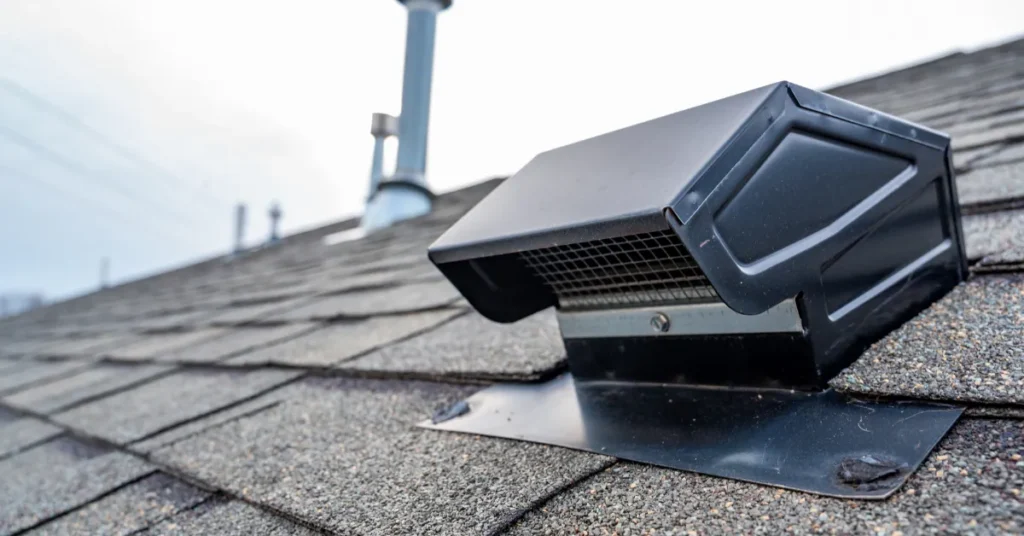
Box Vents
Box vents are simple openings near the ridge. They don’t move or spin; they just allow warm air to rise naturally.
They are quiet, affordable, and reliable. When placed in groups across the roof, they provide consistent ventilation without drawing attention.
Signs That Your Roof Ventilation Isn’t Working
You might not notice a problem right away. But your home will show signs when the air isn’t flowing properly.
If your attic feels like an oven or smells damp, that’s a clue. If paint peels near the ceiling or wood trim starts warping, moisture is the likely culprit. Ice dams in winter or unusually high energy bills in summer are also red flags.
A quick attic check can tell a lot. If the air feels hotter than the outside air or if the insulation feels damp, ventilation needs attention.
Roof Ventilation for Different Climates
Every region brings its own challenges. Ventilation that works in one climate might fail in another.
Ventilation keeps an attic from turning into a furnace in warm places. It pushes hot air out, keeping a home cooler. Ridge vents paired with soffit vents are usually the best choice here.
Ventilation prevents condensation and ice dams in cold regions. Gable or box vents work well when matched with steady intake vents.
Strong airflow in humid climates prevents mold from growing and wood from rotting. It also protects insulation from getting damp and losing efficiency.
A good roofer will study your home’s design, attic size, and weather patterns before suggesting the right system.
How to Improve the Ventilation You Already Have
You don’t always need a full roof replacement to fix airflow. Sometimes small changes make a big impact.
Adding soffit vents can strengthen intake. Installing ridge vents across the top can balance exhaust. Solar or electric fans can help if natural airflow isn’t enough.
It’s also important to make sure insulation isn’t blocking any vents. Even a few inches of misplaced insulation can choke airflow and cause moisture to collect.
A quick inspection every year or two can prevent small ventilation issues from turning into expensive repairs later.
Common Ventilation Mistakes to Avoid
Many people assume more vents will automatically improve airflow. That’s rarely true. Balance matters more than quantity.
Too many exhaust vents can actually work against each other, pulling air from the wrong spots. Missing intake vents can cause the same problem. Some homeowners even paint or cover soffit vents without realizing they’ve blocked airflow.
The goal is always a steady, natural exchange of air. Nothing forced, nothing fighting itself.
FAQs
Do all roofs need ventilation?
Yes. Proper airflow benefits every roof. Without it, heat and moisture build up, causing damage over time.
How much ventilation should my attic have?
A common rule is one square foot of vent space for every 300 square feet of attic area. Half should be intake and half exhaust.
Can I install ventilation myself?
Some vents like soffit or gable types can be installed on your own, but ridge or power systems should be handled by professionals.
Does roof ventilation really lower energy costs?
It does. By keeping attic temperatures lower, your air conditioner runs less often in summer, which means noticeable savings.
What happens if I don’t have enough ventilation?
Without it, your attic overheats in summer, traps moisture in winter, and weakens the structure over time. It also raises energy bills and shortens the life of your roof.
Conclusion
Roof ventilation doesn’t draw attention. You won’t see it from the curb or notice it working when you fall asleep. But it quietly protects your home every hour of every day.
It keeps your attic dry, your rooms cool, and your energy bills low. It gives your roof the chance to last as long as it should. Whether you choose ridge vents, soffit vents, or another system, the right combination can change how your home feels from season to season.
If you are unsure about your current setup, ask a roofer to inspect it. The solution might be simpler than you think.
A roof that breathes is a roof that endures. And a home that breathes is one that stays alive, comfortable, and strong.