
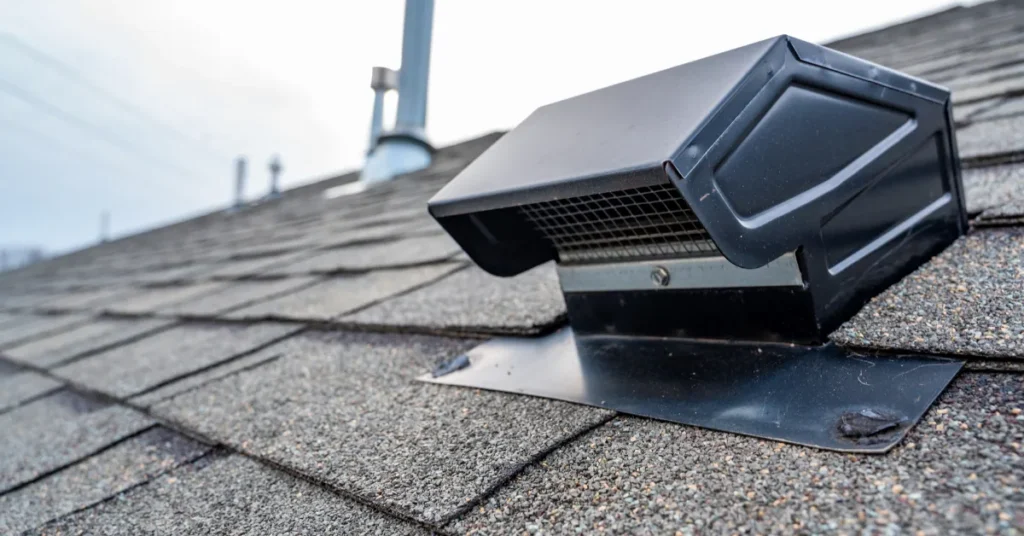
Have you ever walked into your house on a scorching summer afternoon and felt that wave of hot, heavy air hanging near the ceiling? Or, during the rainy season, have you noticed water run off overwhelming your gutters, creating those moisture issues that cause so much trouble? If so, the problem might not be with your air conditioner or drainage, but with how your roof breathes.
This is where the simple yet brilliant invention of the ridge vent roof system comes in. It is one of the easiest ways to turn a house that fights against the weather into one that works with it. Thinking about the health of a home, people often focus on walls or windows, but the roof is the true shield. When the roof is healthy, the whole house is happier, more comfortable, and costs less to run.
Let’s explore this key piece of roofing technology, look at how it improves the way a home uses energy, and see how it keeps the roof itself strong for many years to come. This is not just about vents; it’s about making a home function at its best, year-round.
Understanding the Roof Ridge Vent
Imagine a home is like a big, closed bottle. When the sun shines on that bottle, the air inside heats up quickly and gets trapped. Your attic is that bottle. Without a way for hot air to escape, the temperatures inside can soar past 150 degrees Fahrenheit, even if the outside temperature is much lower.
A roof ridge vent is a type of exhaust vent installed at the very peak of the highest horizontal line of a sloped roof. This peak is known as the roof ridge. Since heat naturally rises, placing the vent at the highest point makes perfect sense. It allows the continuous stream of rising, hot air to easily exit the attic.
But a ridge vent cannot do the job alone. It is part of a complete, balanced system that relies on two steps: intake and exhaust.
How the System Works Like a Perfect Circle
For the hot air to leave through the ridge vent roof system, fresh air must come in from somewhere else. This incoming air is called “intake air.” It usually enters the attic through smaller vents located lower down, typically in the soffits (the underside of the roof eaves).
Here is the simple process:
- Air Enters (Intake): Cooler, fresh air is drawn in through the soffit vents near the bottom of the roof.
- Air Raises (Convection): As this cool air enters the attic, it pushes the lighter, hotter, and often moist air upward toward the peak.
- Air Exits (Exhaust): The hot, stale air leaves the attic through the roof ridge vent.
This natural, continuous cycle is called passive ventilation or the stack effect. It is a quiet, non-mechanical process that uses nature’s own rules of physics, requiring no electricity or moving parts.
This is why a properly installed roof ridge vent system is so effective: it cleanses the attic air 24 hours a day, 7 days a week, without adding anything to the energy bill. The look of the vent itself is often seamless.
Once the vent is installed, it is typically covered by a specific shingle or material, often called the roof ridge cap, making it blend in beautifully with the rest of the roofline. This low-profile design ensures that the vent does its critical work without interrupting the curb appeal of the home.
Improving Energy Efficiency and Comfort
The most immediate and noticeable benefit of a ridge vent roof system is its impact on the home’s energy use and comfort level. Many people do not realize how much energy is wasted because of an overworked attic.
Cooling Down in the Summer
Think of your attic in the summer as an oven that sits right on top of your house. If the attic temperature climbs to 150 degrees Fahrenheit, that heat radiates down through the ceiling insulation and into your living spaces.
To keep the house cool, the air conditioning unit has to work harder and run longer to fight this constant downward heat load. It is like running a marathon in a heatwave. The AC unit is straining, and the homeowner is paying a high cost for it.
By allowing the hot air to escape through the roof ridge vent, the attic stays much closer to the outside temperature. This drastically reduces the heat radiating into the home.
Preventing Moisture Traps
It is a common misunderstanding that ventilation is only needed in the summer. However, the roof ridge vent is just as important when heavy rains fall. In humid climates, proper ventilation is the secret weapon against a costly problem called moisture accumulation.
Excess humidity forms when heat escapes from the house and into the attic, meeting the damp air from outside. This moisture on the main part of the roof cannot evaporate if trapped.
The trapped humidity then settles on the roof decking and insulation, creating a damp environment. This moisture traps water inside, which can then soak into the shingles roof and cause serious leaks and water damage inside the home.
Creating Consistent Comfort
Beyond the financial savings, a well-ventilated attic creates a more consistent living environment. Without a ridge vent roof, a home can have “hot spots” in rooms directly below the roof, especially upstairs bedrooms. The continuous airflow provided by the roof ridge vent eliminates these temperature differences, making the entire home uniformly comfortable, without the constant need to adjust the thermostat.
Protecting Your Home Investment and Roof Performance
A roof is much more than just shingles and decking; it is a complex shield for a home. The long-term performance and lifespan of that shield depend heavily on what is happening in the attic space just beneath it. The ridge vent system is a protector of a home’s most valuable asset.
Fighting Moisture
One of the greatest threats to a home’s structure and air quality is moisture buildup. Warm air rising from the living space from showers, cooking, and even breathing travels into the attic. If this moist air gets trapped, it condenses when it hits the cooler roof deck and rafters, just like steam condensing on a cold mirror.
This trapped moisture is bad news:
- Mold and Mildew: It provides the perfect breeding ground for mold and mildew. Mold can ruin wooden rafters, attic decking, and insulation, and it can also cause serious air quality problems for the people living in the house.
- Wood Rot: Long-term exposure to condensation leads to wood rot, weakening the structural integrity of the roof deck and supporting beams over time.
- Insulation Damage: When insulation gets wet, its ability to stop heat transfer drops dramatically. This means even higher energy bills, completing the vicious cycle of damage and inefficiency.
A roof ridge vent is the escape hatch for this humid air. By constantly exhausting moist air outside and drawing dry air in from the soffits, it keeps the attic deck, framing, and insulation dry and healthy. This effective moisture control is fundamental to a long-lasting and healthy home.
Extending the Life of the Roof Covering
The lifespan of roofing materials, especially asphalt shingles, is directly tied to temperature. When an attic overheats, the high temperatures literally bake the underside of the shingles. This causes the shingle materials to dry out, curl, crack, and become brittle long before their natural expiration date.
A ridge vent roof prevents this premature aging. Keeping the attic space ventilated and cool in the summer protects the shingles from extreme heat stress.
FAQs
Does a ridge vent really work better than other vents, like box vents or turbines?
A roof ridge vent is often considered the most efficient type of passive exhaust vent. This is because it runs continuously along the entire roof peak, offering uniform ventilation and preventing hot or cold spots in the attic. Box vents and turbine vents are concentrated in specific spots, which can lead to less consistent airflow across the whole attic space.
Can a ridge vent cause leaks if it rains or storms heavily?
When installed correctly, a ridge vent roof is highly resistant to weather. Modern ridge vents are designed with internal baffles or weather filters that allow air out but block wind-driven rain and pests. The use of a proper roof ridge cap and sealant by a professional ensures the opening is completely protected.
Does a home need a ridge vent if it already has gable vents?
In many cases, it is advised to close off gable vents when installing a roof ridge vent and soffit intake system. Gable vents can sometimes interfere with the balanced airflow required by a ridge vent, causing the system to pull air from the nearest opening (the gable vent) instead of drawing fresh air up from the soffit vents near the ground, which results in inefficient ventilation.
Will a ridge vent impact the attic in cooler months?
No, a roof ridge vent will not make the attic too cold. The goal of year-round attic ventilation is to keep the attic temperature balanced with the outside temperature. This consistent, cold temperature protects the roof deck and prevents the warm indoor air from reaching the deck and causing condensation and moisture buildup.
Can a ridge vent be installed on a roof that already has shingles?
Yes, it is possible to install a roof ridge vent on an existing roof. This process involves carefully removing the existing cap shingles, cutting the slot opening along the roof ridge, installing the vent material, and then replacing it with a new ridge cap.
What kind of maintenance does a ridge vent require?
Ridge vents require minimal maintenance because they have no moving parts. It is a good practice to have them checked during routine roof inspections to ensure they are free of debris, leaves, or pest nests that could block airflow. A clean roof ridge vent is a continuously working vent.
Conclusion
The ridge vent roof system is one of the most underrated components of a modern, well-functioning home. It is a silent, hard-working component that offers benefits far outweighing its simple design. Working with the natural flow of warm air provides continuous ventilation that protects the structure of the roof from moisture and extreme heat, all while delivering a powerful boost to a home’s energy efficiency.
A properly ventilated attic means a more comfortable living space, lower utility bills, a longer-lasting roof, and a healthier environment free from the threat of mold and mildew. Homeowners looking to improve their property’s performance should absolutely consider the benefits of a continuous ridge vent roof system.
Talking to a local roofing specialist is the perfect next step to assess the current attic ventilation and determine how this essential upgrade can protect and enhance a home for many years to come.