
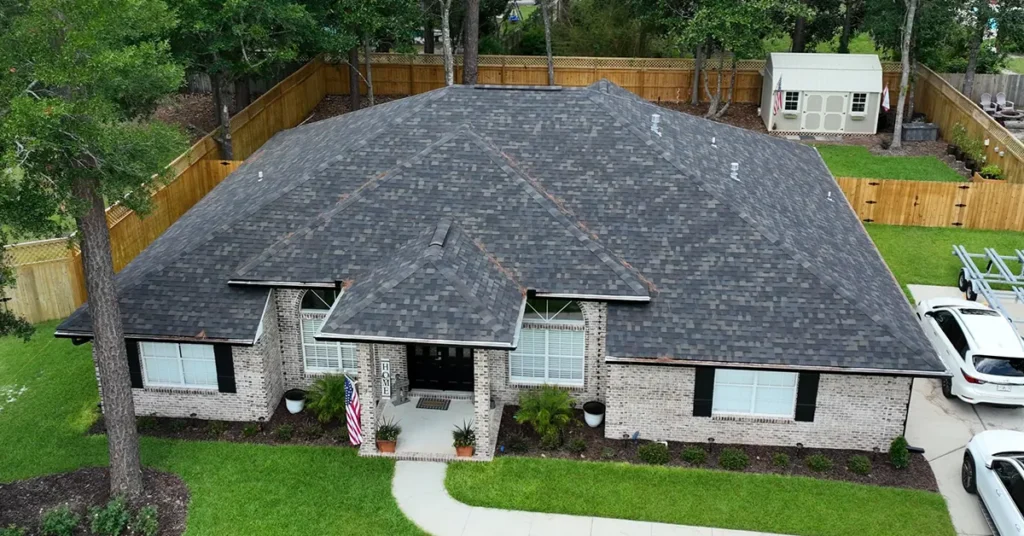
A hailstorm can go from a light pitter-patter to roof-crushing chaos in minutes. And when it is all over, you are left wondering whether your roof held up or whether you are about to face a massive repair bill. That is a stressful place to be. The good news is that impact resistant roof shingles were designed specifically to deal with this problem. They take the punch that hail throws and come out the other side with far less damage than regular roofing materials.
This guide walks you through everything you need to know about impact resistant roof shingles, including what they are, how they work, why they matter, and how to decide if they are the right choice for your home.
WHY YOUR ROOF NEEDS PROTECTION FROM HAIL
Hail damage is one of the most common and costly reasons homeowners file insurance claims. A single storm can cause thousands of dollars in damage, and in many cases, the problems do not show up right away. A cracked shingle here, a dented surface there, and before long, you have leaks, water damage, and a full roof replacement on your hands.
What makes hail so destructive is the combination of speed, size, and impact force. Hailstones as small as one inch in diameter can crack traditional asphalt shingles on contact. Larger stones can punch right through them. If you live in an area that sees regular hailstorms, your standard shingles may not be giving your home the protection it actually needs.
That is where an impact resistant roof comes in. It is not just a marketing term. It is a category of roofing material that has been tested and rated to withstand the kind of impact that hail delivers.
WHAT IS AN IMPACT RESISTANT ROOF
So, what is an impact resistant roof exactly? It is a roof built with shingles or other roofing materials that have been rated Class 3 or Class 4 by Underwriters Laboratories under the UL 2218 standard. This rating is based on a drop test where steel balls of specific sizes are dropped onto the roofing material from a set height to simulate the force of hailstones.
Class 4 is the highest rating available and means the material survived being struck by a two-inch steel ball dropped from 20 feet without cracking. Class 3 means the material withstood a 1.75-inch ball under the same conditions. Class 4 impact resistant roof shingles offer the strongest protection you can get in this category.
These ratings give you a reliable way to compare roofing materials and know exactly how much protection you are getting before you spend a single dollar on installation.
HOW IMPACT RESISTANT ROOF SHINGLES ACTUALLY WORK
Standard asphalt shingles are built to handle rain, wind, and general weather exposure. They do a solid job in mild conditions, but they were not designed to absorb repeated blunt-force impacts. Impact resistant roof shingles are built differently from the inside out. Most Class 4 shingles use one of three main technologies to absorb and disperse impact energy.
POLYMER MODIFIED ASPHALT
Many impact resistant shingles are made with asphalt that has been modified using rubber or polymer compounds. This changes the physical behavior of the shingle when struck. Instead of cracking or breaking on impact like a rigid material, the shingle flexes slightly and bounces back.
FIBERGLASS REINFORCED MATS
Some shingles use a fiberglass mat as the core layer. Fiberglass adds strength and rigidity without adding excessive weight. This reinforced core holds the shingle together even when the outer surface takes a hit, preventing the kind of deep cracks that let water seep through.
RUBBER AND SBS MODIFIED TECHNOLOGY
SBS stands for Styrene-Butadiene-Styrene, which is a type of synthetic rubber added to asphalt during manufacturing. SBS modified shingles are highly flexible even in cold temperatures, which matters because shingles become more brittle in winter, and that is often when hail hits hardest. The rubber component keeps the material pliable so it absorbs impact rather than fracturing.
PROS AND CONS OF IMPACT RESISTANT ROOF SHINGLES
Like any roofing material, impact resistant roof shingles have both strengths and trade-offs. Here is a clear-eyed look at both sides.
Pros
- Superior protection against hail, flying debris, and wind-driven impact
- A Class 4 rating qualifies many homeowners for insurance discounts of 20 to 30 percent
- Longer lifespan compared to standard shingles, often 30 to 50 years, with proper maintenance
- Reduced risk of water damage from cracked or broken shingles
- Available in a wide variety of styles and colors to match different home aesthetics
- Can increase home resale value, especially in hail-prone regions
Cons
- Higher upfront cost than standard asphalt shingles
- Not all Class 4 shingles perform equally, so brand and product research still matters
- Professional installation is required to maintain the impact rating and warranty
- Heavier than some standard shingles, though rarely enough to require structural changes
For most homeowners in storm-prone areas, the pros far outweigh the cons when you factor in long-term savings on repairs and insurance.
COST CONSIDERATIONS FOR IMPACT RESISTANT ROOF SHINGLES
One of the first questions homeowners ask is how much more impact resistant roof shingles cost compared to standard options. The honest answer is that they do cost more upfront, but the total picture looks a lot different when you run the numbers over time.
UPFRONT INSTALLATION COST
Impact resistant roof shingles typically cost more per square foot than standard three-tab or architectural asphalt shingles. The exact difference depends on the product, the manufacturer, your region, and the complexity of your roof. When you factor in labor and materials together, you can expect to pay more for a Class 4 rated roof than for a standard replacement.
INSURANCE SAVINGS
Here is where the math starts to shift in your favor. Many insurance companies offer significant discounts for homes with Class 4 rated roofs because the risk of a hail damage claim drops considerably. Discounts of 20 to 30 percent on your homeowners insurance premium are common in hail-prone states. Depending on your premium, those savings can add up to hundreds of dollars every year. Over the life of the roof, the insurance discount alone can offset much or all of the additional upfront cost.
FEWER REPAIRS AND LONGER LIFESPAN
Impact resistant shingles also mean fewer repair calls after every major storm. Standard shingles can require patching or partial replacement after a bad hail event. Impact resistant options hold up significantly better, which means fewer out-of-pocket costs between now and your next full roof replacement. Their longer lifespan also means you will not be replacing the roof as often.
HOW TO CHOOSE THE RIGHT IMPACT RESISTANT ROOF SHINGLES
Not all impact resistant roof shingles are the same. Here are the key things to look at when choosing the right product for your home.
ALWAYS LOOK FOR CLASS 4 CERTIFICATION
Make sure any shingle you consider has been independently tested and rated Class 4 under UL 2218. Some products are marketed as impact resistant without carrying a true Class 4 certification. Ask your contractor for documentation and verify the rating before committing.
MATCH THE SHINGLE TO YOUR CLIMATE
If your area experiences both hail and extreme cold, look for SBS modified shingles that maintain flexibility in low temperatures. If you are in a warmer region, a polymer-modified asphalt shingle may give you the best combination of impact resistance and heat performance.
CONSIDER WIND RATINGS TOO
Hail rarely comes alone. High winds almost always accompany the storms that bring hail. Look for shingles with strong wind ratings in addition to their impact resistance certification. Many Class 4 shingles are also rated for winds of 110 miles per hour or higher.
CHECK THE WARRANTY
A strong manufacturer warranty is a good signal that the company stands behind the product. Look for coverage that addresses both material defects and impact damage. Some manufacturers offer enhanced warranties specifically for hail damage when the shingles are installed by a certified contractor.
WORK WITH A QUALIFIED CONTRACTOR
Impact resistant shingles need to be installed correctly to live up to their rating. A qualified roofing contractor who is familiar with the specific product you choose will ensure the installation meets manufacturer specifications and keeps your warranty intact.
MAINTENANCE TIPS FOR IMPACT RESISTANT ROOFS
Even the toughest roofing materials last longer with regular care. Here is how to get the most out of your impact resistant roof.
- Inspect your roof at least twice a year, and always after a significant storm
- Keep gutters clean and clear so water drains properly away from your home
- Trim overhanging branches that can scrape or fall onto the roof surface
- Address small issues quickly before they grow into larger structural problems
- Have a licensed roofing professional perform an inspection every few years
- Check flashings around chimneys, vents, and skylights for signs of lifting or separation
- Document any storm events with photos so you have a record if you need to file an insurance claim
FAQs
What is an impact resistant roof?
An impact resistant roof is a roof built with shingles or materials that have been tested and certified to withstand hail and debris impact. Class 4 is the highest rating available under the UL 2218 standard, which uses a steel ball drop test to measure how much force a material can absorb before cracking or breaking.
Are impact resistant roof shingles worth the extra cost?
For most homeowners in hail-prone areas, yes. The higher upfront cost is often offset by insurance discounts of 20 to 30 percent, fewer repairs after storms, and a longer overall roof lifespan. When you calculate the total cost over 30 to 50 years, impact resistant shingles often come out ahead financially.
How do I know if my shingles are truly Class 4 rated?
Ask your contractor for the product documentation that shows the UL 2218 Class 4 certification. You can also look up the product on the manufacturer’s website or the Underwriters Laboratories database to confirm the rating before installation
Do impact resistant shingles completely eliminate hail damage?
No roofing material offers a 100 percent guarantee against damage in every storm. However, Class 4 impact resistant shingles significantly reduce the risk of cracking, granule loss, and water infiltration compared to standard shingles. Extremely large hailstones can still cause damage, but the protection is substantially better.
Will my insurance company give me a discount for impact resistant shingles?
Many insurance companies do offer discounts for homes with Class 4 rated roofs, particularly in hail-prone states. The discount varies by insurer and location but is commonly in the range of 20 to 30 percent. Contact your insurance provider before installation to confirm the discount available in your area.
FINAL THOUGHTS
Hail is unpredictable, but your roof does not have to be caught off guard. Impact resistant roof shingles give your home a reliable layer of defense against one of the most common and costly weather threats homeowners face. They are built tougher, they last longer, and they can save you real money on insurance and repairs over the years.
Whether you are replacing a damaged roof or planning ahead for the next storm season, understanding what is an impact resistant roof and how these shingles work puts you in a much better position to make a smart, confident decision. The best time to upgrade is before the next hailstorm, not after it.
Working with an experienced roofing contractor ensures you get the right product installed the right way. A well-chosen and properly installed impact resistant roof is not just a repair. It is a long-term investment in the safety and value of your home.