
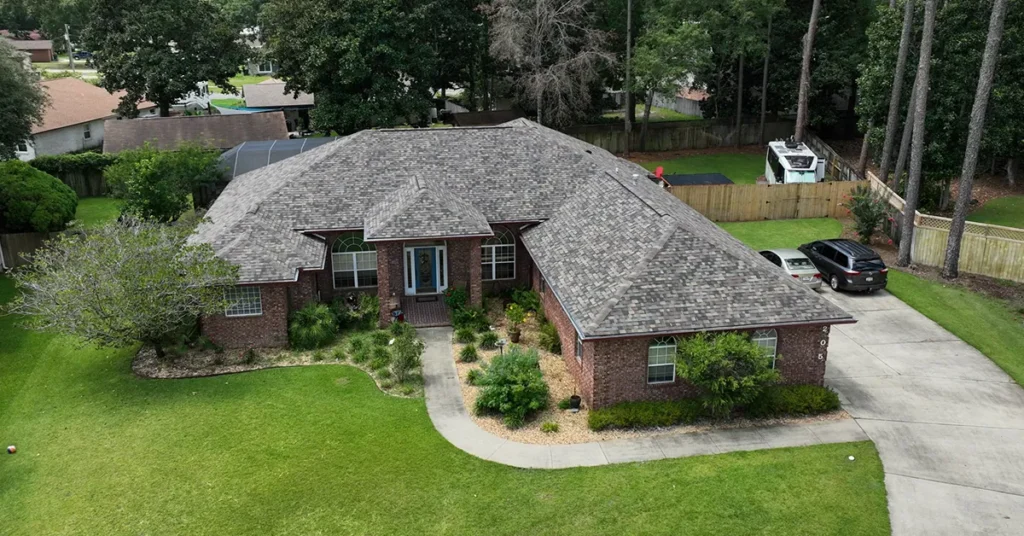
Severe weather doesn’t give warnings before it strikes. Hail storms, high winds, flying debris, and falling branches can devastate a standard roof in minutes, leading to expensive repairs, insurance claims, and interior damage. This is why impact resistant shingles have become essential for homeowners in storm-prone regions who need maximum protection without compromising appearance or performance.
From areas with frequent hail activity to coastal regions facing hurricane-force winds, impact resistant roofing systems deliver enhanced durability that standard materials simply cannot match. But these advanced shingles work best when paired with proper underlayment systems, correct installation techniques, and regular maintenance habits that maximize storm protection.
This guide explains what makes impact resistant shingles different, how they’re tested and rated, the critical role of underlayment materials, and what you should know before investing in enhanced storm protection for your home.
What Are Impact Resistant Shingles?
Impact resistant shingles are specially engineered roofing materials designed to withstand severe weather conditions that would damage or destroy conventional shingles. These products use enhanced materials, reinforced construction, and advanced manufacturing techniques to create a more durable protective layer for your home.
How They Differ from Standard Shingles
Standard asphalt shingles can crack, split, or puncture when struck by hail or debris. Impact resistant shingles incorporate modified asphalt compounds, rubberized materials, or polymer-based additives that absorb impact energy rather than fracturing. Some manufacturers use a special SBS (styrene-butadiene-styrene) modified asphalt that remains flexible even in cold temperatures, allowing the shingle to flex on impact instead of breaking.
The Technology Behind Impact Resistance
The core innovation lies in material composition and structure. Impact resistant shingles typically feature reinforced backing layers, impact-absorbing asphalt formulations, and enhanced granule adhesion systems. This combination creates a shingle that can take repeated hits from hail, resist tearing from high winds, and maintain its protective seal even under extreme stress.
Understanding Impact Resistance Ratings
Not all impact resistant shingles offer the same level of protection. The roofing industry uses standardized testing to classify products into different impact resistance classes.
UL 2218 Impact Testing Standard
Underwriters Laboratories developed the UL 2218 test to measure how well roofing materials resist impact damage. The test involves dropping steel balls of various sizes onto shingle samples from specific heights, then examining them for cracks, tears, or other failures. Products receive classifications from Class 1 through Class 4 based on performance.
Impact Resistance Classifications
- Class 1: Withstands 1.25-inch diameter steel ball (equivalent to small hail)
- Class 2: Withstands 1.5-inch diameter steel ball (moderate hail protection)
- Class 3: Withstands a 1.75-inch diameter steel ball (good hail resistance)
- Class 4: Withstands a 2-inch diameter steel ball (maximum impact resistance)
Why Class 4 Matters
Class 4 impact resistant shingles represent the highest level of protection available in residential roofing. These products can withstand hail up to two inches in diameter, which covers the vast majority of hail events. Many insurance companies offer premium discounts for Class 4 installations, recognizing the reduced risk of claims that these products provide.
Benefits of Impact Resistant Shingles
Investing in impact resistant roofing delivers advantages that extend beyond storm protection alone.
Superior Storm Damage Protection
The primary benefit is obvious but critical. Impact resistant shingles survive weather events that would require complete roof replacement with standard materials. They resist hail damage, handle flying debris during windstorms, and stand up to falling branches without puncturing or cracking.
Insurance Premium Reductions
Many insurance providers offer discounts ranging from modest reductions to significant savings for homes with Class 4 impact resistant shingles. These discounts often recoup a portion of the additional material cost over time while reducing claim frequency and protecting your coverage rates.
Enhanced Wind Resistance
Impact resistant shingles typically include improved adhesive seals and reinforced construction that also enhances wind resistance. Many products carry wind ratings of 110 to 130 mph, providing protection in hurricane-prone regions and areas with severe thunderstorms.
Longer Lifespan
The same reinforced construction that provides impact resistance also extends overall shingle life. These products resist thermal cycling better, maintain granule adhesion longer, and show less weathering over time compared to standard alternatives.
Improved Property Value
A roof with documented impact resistance offers a valuable selling point for future buyers, particularly in regions with a history of hail or storm activity. The combination of protection, insurance benefits, and reduced maintenance concerns adds tangible value to property assessments.
The Critical Role of Synthetic Underlayment for Roof Protection
Even the best impact resistant shingles cannot perform optimally without proper underlayment. The underlayment serves as a critical waterproof barrier between your roof deck and the shingles, providing backup protection when shingles are damaged and enhancing overall system performance. This is where synthetic underlayment for roof systems has revolutionized modern roofing practices.
What Is Synthetic Underlayment?
Synthetic underlayment is made from woven or spun polyethylene or polypropylene materials rather than traditional felt paper. These modern products offer superior tear resistance, better water resistance, lighter weight, and enhanced durability compared to conventional felt underlayment. They won’t wrinkle, tear as easily during installation, or deteriorate from sun exposure during construction delays.
Advantages Over Traditional Felt
Synthetic underlayment resists UV damage for months rather than days, allowing for extended exposure during installation without degradation. The material remains flat and smooth, creating better adhesion for shingles. It also provides superior slip resistance for roofers during installation, improving safety and installation quality. Most synthetic products include printed walking surfaces and alignment guides that simplify proper installation.
Synthetic Underlayment for Metal Roof Applications
While impact resistant shingles benefit greatly from synthetic underlayment, metal roofing systems require special considerations. Understanding synthetic underlayment for metal roof installations helps ensure optimal performance and longevity.
Why Metal Roofs Need Different Underlayment
Metal roofing creates unique conditions underneath. Temperature fluctuations cause metal panels to expand and contract significantly, putting stress on underlayment materials. Condensation can form on the underside of metal panels in certain conditions, requiring underlayment that manages moisture effectively. Standard felt absorbs moisture and breaks down, while quality synthetic underlayment remains stable and allows proper ventilation.
Slip Resistance Considerations
Some synthetic underlayments become dangerously slippery when wet, creating safety hazards during installation. High-quality products designed for metal roofing incorporate textured surfaces or special coatings that maintain traction even in wet conditions. This feature protects installers and ensures proper fastener placement during panel installation.
Breathability and Moisture Management
Metal roofs benefit from breathable synthetic underlayments that allow trapped moisture to escape while still blocking liquid water. This breathability prevents condensation buildup that can lead to deck rot, mold growth, and premature system failure. Quality synthetic products balance water resistance with vapor permeability.
Problems with Synthetic Roof Underlayment and How to Avoid Them
While synthetic underlayment offers many advantages, understanding problems with synthetic roof underlayment helps contractors and homeowners make informed decisions and avoid installation mistakes that compromise performance.
Quality Variation Between Products
Not all synthetic underlayments perform equally. Lower-quality products may tear easily, lack adequate slip resistance, or deteriorate faster than expected. Some economy options use thin materials that don’t provide sufficient protection or durability. Choosing reputable manufacturers with proven track records and proper certifications ensures you get products that deliver on their promises.
Improper Installation Issues
Synthetic underlayment requires correct installation techniques. Inadequate overlap at seams creates water infiltration paths. Insufficient fastening allows wind to get underneath and tear the material. Wrong fastener types or spacing compromises the waterproof barrier. Following manufacturer specifications exactly prevents these common problems.
Compatibility Concerns
Some synthetic underlayments don’t work well with certain roofing materials or in specific climates. Products that trap moisture can cause problems in humid regions. Materials that become too rigid in cold weather crack and fail prematurely. Matching underlayment to your specific roofing system and climate conditions prevents compatibility issues.
Slippery Surface Safety Risks
Safety represents a critical concern with some synthetic products. Smooth synthetic surfaces become extremely slippery when wet, creating dangerous conditions for installers. This hazard has led to serious injuries and even fatalities in the roofing industry. Always specify underlayment products with proper slip resistance ratings, especially for steep-slope applications.
UV Exposure Limitations
While synthetic underlayment resists UV damage better than felt, it’s still not designed for permanent exposure. Extended exposure beyond manufacturer specifications can lead to degradation that compromises waterproofing. Following recommended exposure time limits and completing shingle installation promptly prevents UV-related failures.
Choosing the Right System: Shingles and Underlayment Working Together
Maximum storm protection requires matching quality impact resistant shingles with appropriate synthetic underlayment and proper installation practices.
System Compatibility
Leading shingle manufacturers often recommend or require specific underlayment products for warranty coverage. Using approved combinations ensures the system works as designed and maintains full warranty protection. Some manufacturers void warranties when incompatible materials are mixed.
Climate-Specific Considerations
High wind zones benefit from self-adhering underlayment in vulnerable areas like eaves, valleys, and ridges. Cold climate regions need products that remain flexible in freezing temperatures. Hot, humid areas require excellent moisture management. Matching your system to local conditions optimizes performance and longevity.
Professional Installation Requirements
Even premium materials fail when installed incorrectly. Impact resistant shingles need proper nail placement, correct adhesive activation, and attention to sealing details. Synthetic underlayment requires adequate overlap, proper fastening patterns, and correct seam treatment. Professional installation by experienced contractors ensures the complete system performs as designed.
Where Impact Resistant Shingles Make the Most Sense
While impact resistant shingles benefit any home, certain locations and situations make them especially valuable.
- Hail Alley regions: Areas with frequent hail activity including parts of Texas, Oklahoma, Kansas, Nebraska, and Colorado
- Coastal properties: Homes facing hurricane-force winds and wind-blown debris
- Tree-covered lots: Properties with large trees that could drop branches or debris
- High-value homes: Properties where roof damage costs significantly impact overall value
- Insurance rate zones: Areas where premium discounts make the upgrade cost-effective
- New construction: Building projects where the incremental cost is minimal
- Replacement projects: Homes that have experienced previous storm damage
Maintenance for Impact Resistant Roofing Systems
Impact resistant shingles require less maintenance than standard products, but proper care extends their lifespan and maintains optimal protection.
- Inspect after major storms for any damage or displaced shingles
- Clean gutters regularly to prevent water backup and ice dams
- Remove debris, moss, and algae promptly
- Trim overhanging branches to reduce impact risk
- Schedule professional inspections every few years
- Document any storm damage with photos for insurance purposes
- Check flashing and seals around penetrations annually
- Maintain proper attic ventilation to prevent heat buildup
FAQ’s
How much more do impact resistant shingles cost compared to standard shingles?
Impact resistant shingles typically cost moderately more than standard architectural shingles. However, insurance premium discounts, reduced maintenance costs, and longer lifespan often offset the initial investment. Many homeowners find the additional protection justifies the cost, especially in storm-prone areas.
Will insurance companies really give me a discount for Class 4 shingles?
Many insurance providers offer discounts for Class 4 impact resistant shingles, though policies vary by company and location. Contact your insurance agent before installation to confirm available discounts and documentation requirements. Some regions see substantial savings while others offer modest reductions.
Is synthetic underlayment better than felt for all roofing projects?
Quality synthetic underlayment offers advantages in most situations, including better tear resistance, UV protection, and moisture management. However, product selection matters significantly. Choose reputable brands with proper slip resistance, adequate thickness, and proven performance records. Some budget synthetic products perform worse than traditional felt.
Can I install impact resistant shingles over my existing roof?
While technically possible in some cases, most manufacturers recommend complete tear-off for impact resistant installations. Installing over existing shingles roof can void warranties, compromise performance, and prevent proper inspection of the roof deck. A complete replacement ensures the system works as designed and maximizes protection.
How do I verify my contractor is installing the underlayment correctly?
Request that your contractor follow manufacturer specifications exactly and document the installation with photos. Proper installation includes adequate overlap at seams, correct fastener type and spacing, appropriate valley and flashing treatments, and complete coverage without gaps. Many manufacturers offer installation guides you can reference during the project.
Final Thoughts
Impact resistant shingles deliver essential protection for homes in storm-prone regions and provide peace of mind for any homeowner concerned about roof damage. When paired with quality synthetic underlayment for roof systems and professional installation, these advanced materials create a comprehensive defense against severe weather, flying debris, and hail damage.
Understanding the technology, ratings, underlayment options, and potential issues helps you make informed decisions about protecting your most valuable investment. With the right system properly installed and maintained, your roof will stand strong against whatever weather comes your way for decades to come.