
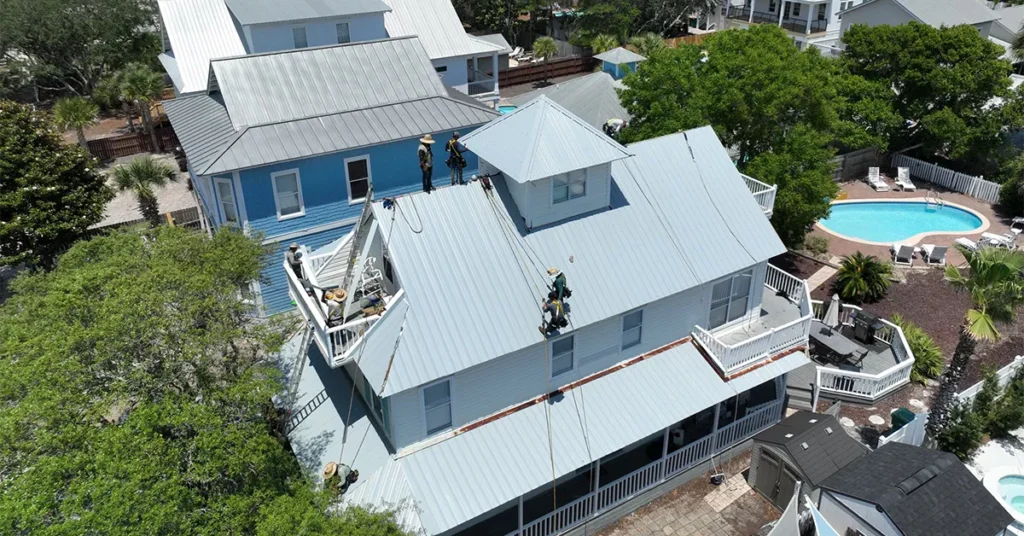
Your roof takes a beating every single day. Rain, hurricanes, winds, blazing sun, and everything else Mother Nature throws at it. Yet most homeowners barely give their roof a second thought until water starts dripping through the ceiling.
That’s a problem.
Regular residential roof maintenance isn’t just about avoiding disasters. It’s about protecting one of your biggest investments and keeping your family safe and dry. The good news? Many common roof problems are actually pretty easy to spot and fix before they turn into expensive nightmares.
Let’s walk through the most common issues homeowners face and what you can actually do about them.
Why Residential Roof Maintenance Actually Matters
Think about it this way: you change your car’s oil every few thousand miles, right? You don’t wait until the engine seizes up. The same logic applies to your roof, except the stakes are even higher. A well-maintained roof can last decades. A neglected one might need replacement in half that time. The difference comes down to catching small problems early.
When you ignore that loose shingle or those clogged gutters, you’re basically inviting trouble. Water finds its way into tiny cracks and gaps. Once moisture gets under your shingles roof and into the decking, you’re looking at rot, mold, and structural damage.
Plus, many roof warranties require regular maintenance. Skip those inspections, and you might void your warranty right when you need it most. Most roof damage happens slowly over time. By the time you see water stains on your ceiling, the problem has been brewing for months or even years.
Leaks and Water Damage: The Number One Enemy
Water leaks are, hands down, the most common residential roofing problem. They’re sneaky too. You might have a leak for months before you notice anything wrong inside your home.
The tricky part about roof leaks is that water doesn’t always drip straight down. It can travel along rafters, through insulation, and pop up somewhere completely different from where it entered.
You might see a water stain in your bedroom, but the actual leak could be several feet away.
Common causes include damaged or missing shingles, cracked flashing around chimneys and vents, and deteriorated seals around roof penetrations.
How to spot leaks early:
Check your attic regularly, especially after heavy storms. Look for water stains, damp insulation, or actual drips. Grab a flashlight and inspect the underside of your roof decking for dark spots or discoloration. Inside your home, watch for water stains on ceilings and walls near the roofline.
Fixing leak problems:
For minor leaks, you might get away with applying roofing cement or sealant to small cracks and gaps. But here’s the honest truth: most leaks need professional attention. A roofer can properly diagnose where water is entering and make lasting repairs.
Missing, Damaged, and Curling Shingles
Shingles are your roof’s first line of defense. When they start failing, everything beneath them becomes vulnerable. Over time, shingles can crack, curl, lose their granules, or blow off completely during storms.
Poor ventilation in your attic can bake shingles from underneath, causing them to age prematurely. Tree branches rubbing against your roof can scrape away protective granules.
Spotting shingle problems:
Walk around your house and look up at your roof from different angles. Look for shingles that appear darker than others (they’ve lost their granules), ones that are visibly cracked or broken, or sections where shingles are completely missing.
After storms, check your yard and gutters for granules. These look like coarse sand in various colors. Finding some granules is normal, but if you’re seeing a lot of them, your shingles are breaking down.
Fixing shingle issues:
In Florida, a licensed roofing contractor is the only trade allowed to make repairs to roofs. However, if you’re seeing widespread shingle damage across your entire roof, that’s a sign your roof might be nearing the end of its lifespan. At that point, patching individual shingles becomes a losing battle.
Clogged Gutters and Downspouts
Gutters might not seem like a big deal, but they’re actually crucial to residential roof maintenance. Their job is simple: move water away from your roof and foundation. When they can’t do that job, problems multiply fast.
Leaves, twigs, pine needles, and other debris accumulate in gutters throughout the year. All this stuff creates clogs that prevent water from flowing properly.
When gutters overflow, water backs up under your shingles. It runs down your fascia boards and can seep into your walls. The weight of debris-filled gutters can pull them away from your roofline, creating gaps and damage.
Identifying gutter problems:
Look for gutters that sag or pull away from the house. Check for water stains on your siding just below the roofline. During rain, watch where the water flows. If it’s spilling over the sides instead of coming out the downspouts, you’ve got clogs.
Solutions for gutter maintenance:
Clean your gutters at least twice a year, more if you have lots of trees nearby. Spring and fall are the critical times. Cleaning gutters isn’t glamorous work, but it’s not complicated either. Scoop out the debris by hand (wear gloves), then flush everything with a garden hose. Make sure water flows freely through the downspouts.
Flashing Failures Around Chimneys and Vents
Flashing is the metal material installed around anything that pokes through your roof: chimneys, vent pipes, skylights, and where different roof planes meet. Its job is to create a waterproof seal at these vulnerable spots. The problem is that flashing takes a beating. Temperature changes make metal expand and contract. Sealants dry out and crack over time.
When flashing fails, water pours straight into your home. Chimney flashing is especially prone to problems because chimneys settle and shift slightly over the years. Vent pipe boots become brittle in the sun and crack after a decade or so.
Detecting flashing issues:
Look for rust or corrosion on metal flashing. Check for gaps between the flashing and whatever it’s sealing around. Cracked or missing caulk is a warning sign. In your attic, inspect the areas around chimneys and vents for water stains or dampness.
Repairing flashing problems:
Minor flashing repairs might involve replacing old caulk with fresh roofing sealant. For vent pipes, you can sometimes just replace the rubber boot. More extensive flashing repairs require removing shingles, installing new flashing, and then reinstalling shingles properly. This isn’t really a DIY project unless you have roofing experience.
Roof Ventilation Problems
Here’s something that surprises many homeowners: proper attic ventilation is essential for residential roof maintenance. Without good airflow, your attic becomes an oven in summer and a moisture trap in winter.
Poor ventilation cooks your shingles from underneath, dramatically shortening their lifespan. In winter, warm air from your living space rises into the attic. If it can’t escape, it creates condensation that leads to mold growth and wood rot.
Signs of ventilation issues:
If your attic feels extremely hot in the summer, you likely have a ventilation problem. Moisture buildup along your roof edges in the rainy season is another clear sign. Curling shingles when your roof is relatively new often indicate ventilation issues. Moisture, mold, or condensation in your attic during winter points to ventilation problems.
Improving ventilation:
Most roofs need both intake vents (usually in the soffit) and exhaust vents (at the ridge or near the peak). If you have one but not the other, air can’t flow properly. A roofing professional can evaluate your current setup and recommend improvements.
Creating Your Residential Roof Maintenance Schedule
Regular maintenance is the key to catching all these problems early. Here’s what a solid maintenance routine looks like:
Seasonal inspections:
Check your roof at least twice a year, ideally in spring and fall. After major storms, do a quick visual inspection for obvious damage.
Monthly tasks:
Once a month, walk around your house and give your roof a visual once-over from the ground. This takes five minutes and can catch major problems early.
Gutter cleaning:
Clean gutters twice a year minimum, more often if you have lots of trees.
Professional inspections:
Have a professional roofer inspect your roof every two or three years. They’ll spot things you might miss and can give you an honest assessment of your roof’s condition.
Attic checks:
Pop into your attic a few times a year, especially after heavy rain or tropical storms. Look for water stains, feel for damp insulation, and check that your ventilation is working properly.
When to Call a Professional
Some residential roof maintenance tasks are fine for homeowners to handle. Others absolutely require professional help.
DIY-friendly tasks:
Cleaning gutters, removing debris from your roof surface, trimming overhanging branches, and doing visual inspections from the ground are all reasonable homeowner tasks.
Professional territory:
Anything involving repairs to shingles, flashing, or structural elements should be left to pros. Walking on your roof without proper knowledge and equipment is dangerous. Professional roofers have safety gear, insurance, and the experience to work safely at height.
FAQ’s
How often should you perform residential roof maintenance?
Homeowners should conduct visual inspections at least twice a year, typically in spring and fall. Clean gutters at these same times, or more frequently if you have many nearby trees. Professional inspections are recommended every two to three years. After severe weather events, perform an additional inspection to check for damage.
What are the most common signs that your roof needs maintenance?
Watch for water stains on ceilings or walls, missing or damaged shingles, curling or cracked shingles, granules collecting in gutters, sagging sections of roofline, moss or algae growth, and damaged flashing around chimneys and vents.
Can you perform residential roof maintenance yourself, or do you need professionals?
Basic maintenance tasks like cleaning gutters, removing surface debris, trimming overhanging branches, and visual inspections can be done by most homeowners. However, any repairs involving shingles, flashing, or structural elements require professional expertise.
What time of year is best for roof maintenance?
Spring and fall are the ideal times for comprehensive roof maintenance. Spring inspections catch any damage from winter weather, while fall maintenance prepares your roof for the cold months ahead. However, maintenance shouldn’t be limited to these seasons.
How much does professional residential roof maintenance typically run?
The investment for professional roof maintenance varies based on your location, roof size, and the specific services needed. Basic inspections are generally quite affordable and represent excellent value considering they can catch expensive problems early.
Does homeowners’ insurance cover residential roof maintenance?
Standard homeowners insurance typically doesn’t cover routine maintenance, which is considered the homeowner’s responsibility. However, insurance usually covers roof damage from covered perils like storms, fire, or falling trees.
Conclusion
Your roof works hard every single day, protecting your home and family. Regular residential roof maintenance isn’t about being obsessive or wasting time. It’s about being smart with your investment and avoiding preventable disasters.
The common issues we’ve covered don’t have to become major problems. Catching leaks early, replacing a few damaged shingles, keeping gutters clean, and maintaining proper ventilation are all manageable tasks.
Start simple. Walk around your house this weekend and really look at your roof. Check your gutters. Pop up into the attic for five minutes. You might find small issues that are easy to address now, or you might confirm everything looks great.
Remember that professional help isn’t an admission of defeat. Roofing professionals have the training, equipment, and experience to work safely and spot problems you might miss. Using their expertise for inspections and repairs is part of smart homeownership.